Shop / MEAT & SEAFOOD / BEEF
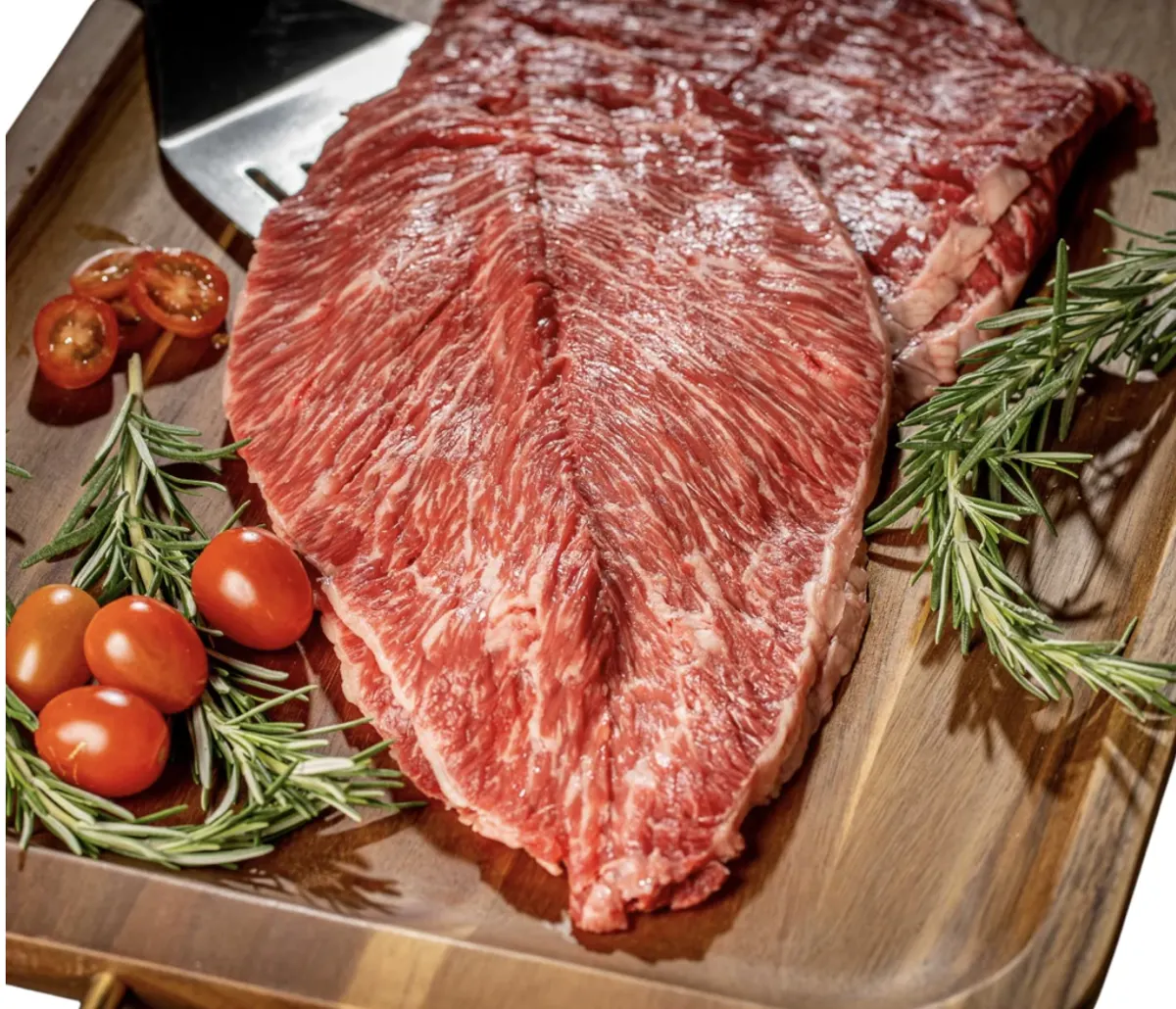
About RANCHERA | FLAP MEAT
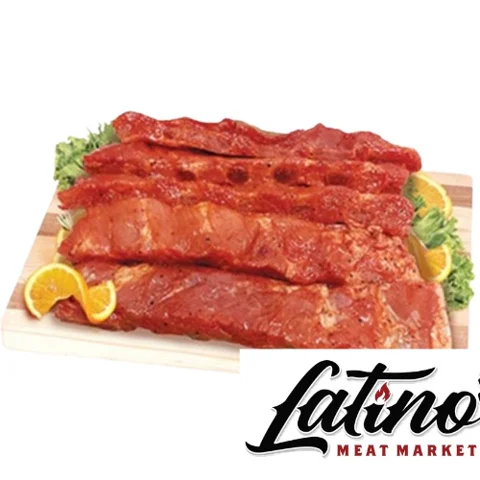
Ranchera marinada, sazonada con nuestra receta familiar para un sabor auténtico e intenso—ideal para asar. Premium Marinated Ranchera beef, seasoned with our signature family recipe for bold, authentic flavor—perfect for grilling.
Origin
Carne Ranchera originates from the 16th-century vaquero (cowboy) and rancher culture of Northern Mexico and the South American Pampas. Anatomically, it is flap meat or sirloin tips (cut from the short loin), though in many Mexican regions, it is synonymous with skirt steak (arrachera) or flank steak.
History
Historically, this cut was born out of resourcefulness, working-class ranch culture, and the evolution of open-fire cooking:
• The "Throwaway" Cut: In the 1500s and 1600s, Spanish colonizers established massive cattle ranches in the Americas. When cattle were slaughtered, wealthy landowners kept the premium, tender loin cuts. The vaqueros (ranchers) and indigenous field workers were given the tough, thin, highly fibrous "belly and plate" cuts—the diaphragm (skirt) and abdominal muscles (flap and flank).
• The Power of the Marinade: Because this "rancher's meat" was incredibly stringy and tough, the vaqueros had to invent ways to make it edible. They discovered that heavily marinating the meat in highly acidic citrus juices (like wild limes or bitter oranges) paired with salt, garlic, and wild herbs broke down the tough muscle fibers.
• The Birth of Carne Asada: Once tenderized, the ranchers cooked the thin strips rapidly over intensely hot mesquite wood fires. They realized that because the cut is heavily marbled with internal fat, quick, high-heat searing made it incredibly juicy and packed with deep, beefy flavor.
• Slicing "Against the Grain": The final historical breakthrough was the method of carving. Ranchers learned that slicing the cooked meat very thin and strictly against the grain shortened the long muscle fibers, rendering an otherwise unchewable piece of meat completely tender.
This historic preservation and preparation method directly created Carne Asada and Bistec Ranchero, transforming what was once a discarded cowboy ration into the most sought-after, expensive, and celebrated grilling staple in Latin American cuisine.